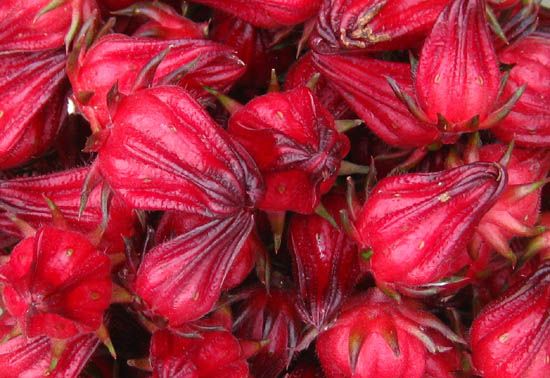
What Hibiscus Flower Is
Hibiscus flower, scientifically known as Hibiscus sabdariffa, is a tropical plant widely recognized for its vibrant red calyces. These calyces, when dried, are used for preparing beverages, teas, and herbal infusions. Hibiscus is rich in Vitamin C, antioxidants, and minerals, making it both a culinary and medicinal product. It is also known by different names around the world, including “Roselle” and “Zobo leaf.”
The plant grows in warm climates and is harvested when the calyces are fully developed. After harvest, the calyces are separated, dried, and packaged for consumption and export.
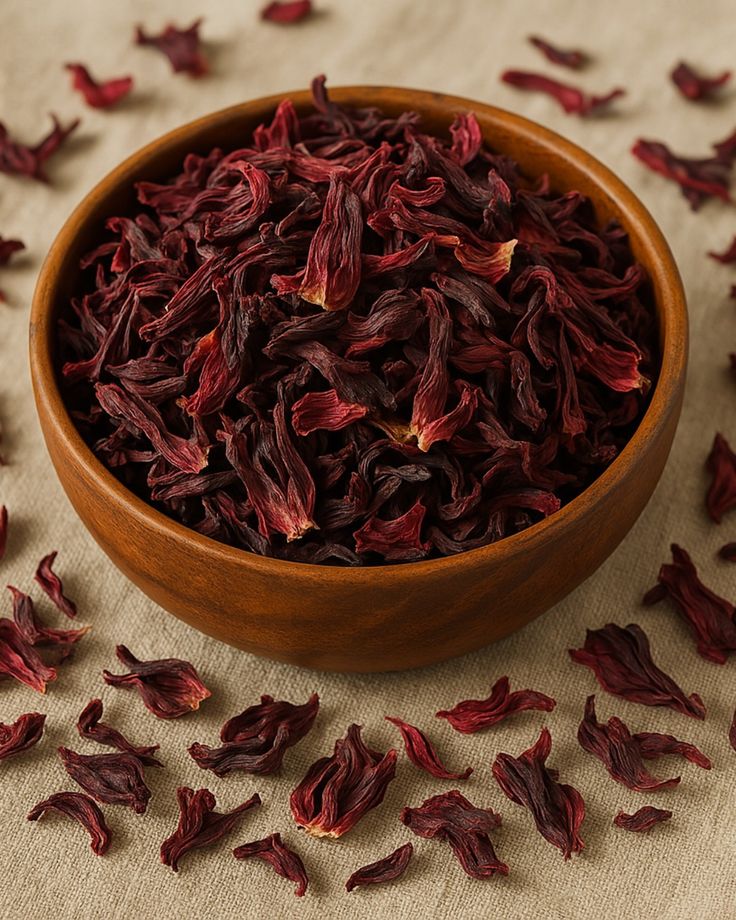
What Hibiscus Flower Export Is
Hibiscus flower export involves the trade of dried hibiscus calyces from producing countries to international buyers. The dried flowers are carefully cleaned, sorted, and packed to meet global quality standards. Exporters often supply hibiscus in bulk to beverage manufacturers, tea companies, and herbal product distributors.
The product has become a high-demand commodity in the international market due to its versatility, nutritional benefits, and use as a natural colorant. Exporters must follow strict phytosanitary regulations and packaging requirements to ensure product safety and quality.
Forms of Hibiscus Export
-
Whole Dried Calyces – Cleaned and sun-dried hibiscus petals.
-
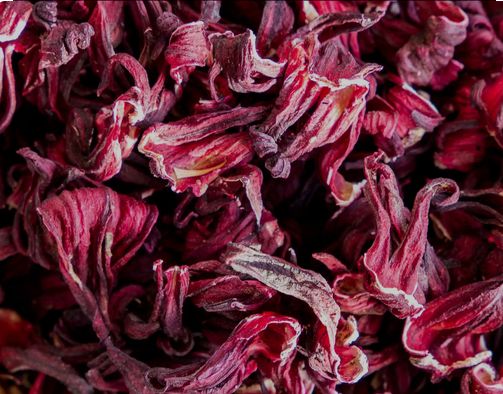
Crushed/Diced Hibiscus – Broken or cut calyces, easier for tea blends and beverages.
-
Powdered Hibiscus – Finely ground form used in cosmetics, beverages, and food coloring.
-
Hibiscus Concentrate/Extract – Liquid or powdered extract used in herbal formulations.
Uses of Hibiscus Flower
-
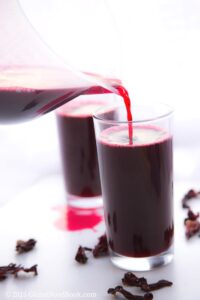
Beverages: Used in teas, juices, wines, and cocktails.
-
Food Industry: As a natural flavoring and coloring agent in jams, sauces, and desserts.
-
Cosmetics: Incorporated in hair products, soaps, and skincare for its antioxidants.
-
Pharmaceuticals & Herbal Medicine: Supports blood pressure regulation, boosts immunity, and aids digestion.
-
Textiles: Occasionally used as a natural dye due to its strong red pigment.
 Export Packaging & Specifications
 Export Packaging & Specifications
-
Packaging: Dried hibiscus flowers are packed in polypropylene bags, cartons, or kraft paper sacks (25–50 kg).
-
Moisture Content: Maximum of 12%.
-
Admixture: Should not exceed 2–3%.
-
Color: Bright red or deep burgundy calyces preferred.
-
Quality Standard: Free from mold, stones, pests, and foreign matter.
Global Market Demand
Hibiscus flower has a strong and growing demand globally, especially in the United States, Europe, and parts of the Middle East and Asia. The health and wellness trend has further boosted its popularity as a superfood ingredient. Beverage and herbal tea companies are among the largest buyers, creating consistent international demand for high-quality dried hibiscus flowers.
In summary: Hibiscus flower export is a thriving opportunity in the global herbal and beverage market. Its multiple uses in food, drinks, cosmetics, and medicine make it a high-value commodity. Exporters who can guarantee top-quality dried flowers, proper packaging, and compliance with international standards will find lucrative and long-term trade opportunities.