What It Is and What Export of It Is
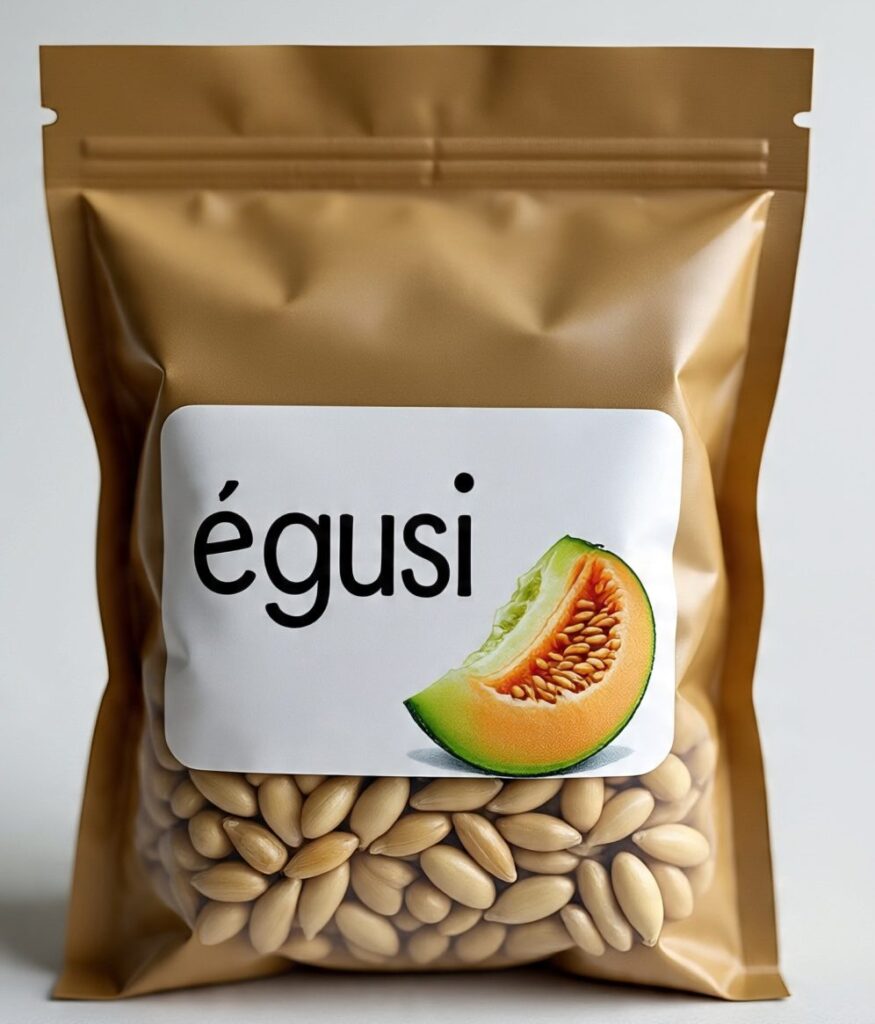
Egusi refers to the seeds of certain melon varieties (particularly Citrullus colocynthis or Citrullus lanatus). The seeds are dried and dehulled to reveal a cream-colored kernel that is rich in oil and protein.
Egusi is a staple ingredient in many African cuisines, widely used for making soups, stews, and sauces. Its nutritional value and culinary versatility have created growing international demand.
Export of egusi involves harvesting, drying, dehusking, cleaning, grading, and packaging the seeds in compliance with international food safety standards for shipment to foreign markets.

Uses of Egusi
-
Culinary:
-
Ground into powder or paste to thicken soups and stews.
-
Used in baking, snacks, and traditional delicacies.
-
-
Nutritional:
-
Rich in protein (27–30%), oil (45–50%), and dietary fiber.
-
Provides essential vitamins and minerals like magnesium, iron, and zinc.
-
-
Industrial:
-
Oil extracted for cooking or cosmetic uses.
-
Residue (cake) used in animal feed.
-
Forms Available for Export
-
Whole Egusi (with shell)
-
Shelled Egusi (dehulled)
-
Ground Egusi (powdered form)
Export Specifications
-
Moisture Content: ≤ 10%
-
Purity: 98–99% (clean, free from stones, shells, and dust)
-
Color: Cream-white, uniform, free from mold
-
Oil Content: 45–50%
-
Protein Content: 27–30%
-
Packaging:
-
Whole/Dehulled: 25–50kg polypropylene bags
-
Powdered: Food-grade pouches/cartons, vacuum-sealed
-
Packaging for Export
-
Whole/Shelled Egusi: Packed in durable polypropylene/jute bags (25kg or 50kg).
-
Ground Egusi: Packed in vacuum-sealed, food-grade foil pouches or cartons to prevent moisture absorption and spoilage.
Each package should be labeled with:
-
Product name (Whole/Shelled/Ground Egusi)
-
Net weight
-
Batch/lot number
-
Country of origin
-
HS code
HS Code
-
1207.99 – Other oil seeds and oleaginous fruits (including melon seeds)
Major Importing Countries
-
Europe: UK, Germany, Netherlands, Italy
-
North America: USA, Canada
-
Asia & Middle East: UAE, Saudi Arabia, China, India
-
Africa: South Africa, Ghana, Cameroon

Export Value & Market Demand
-
Global demand is rising due to the African diaspora’s growing population abroad.
-
Egusi is increasingly found in ethnic food stores, supermarkets, and online platforms in Europe and North America.
-
Health-conscious consumers are driving demand due to egusi’s high protein and oil content.
Tip for Exporters: Buyers prefer clean, dehulled, and vacuum-sealed egusi free from stones, shells, and insect damage. Exporters who provide proper certification (phytosanitary, HACCP, ISO, or Organic) often gain a competitive edge.