What It Is
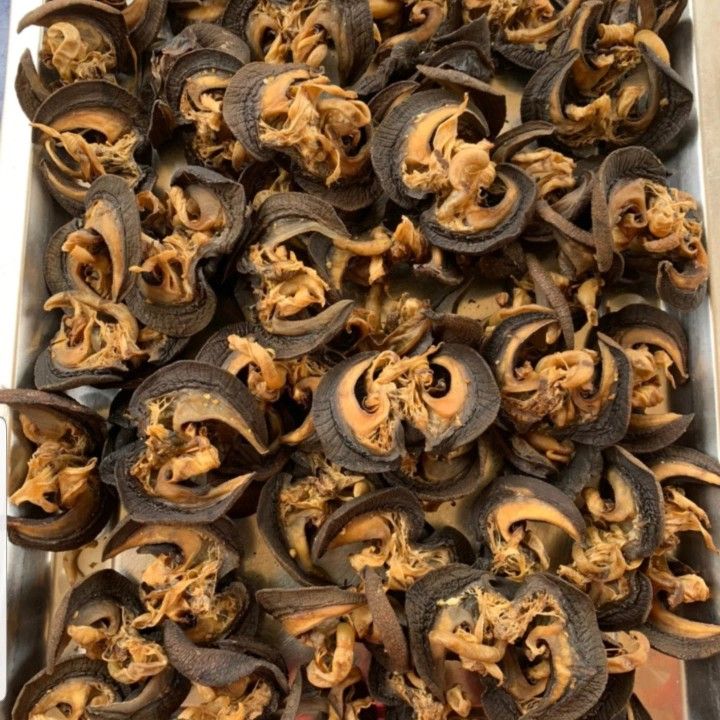
Snails are land gastropods belonging to the class Mollusca. They are soft-bodied animals protected by a hard, coiled shell. Edible snails, particularly species like Helix aspersa, Helix pomatia, and Achatina achatina, are considered a delicacy in many cultures worldwide. Snail meat, commonly referred to as escargot in French cuisine, is rich in protein, low in fat, and contains essential minerals such as iron, calcium, and magnesium.
Beyond their meat, snails have other valuable by-products:
-
Snail Shells – Used in the production of calcium supplements, animal feed, and decorative crafts.
-
Snail Slime (Mucin) – Highly sought after in the cosmetics and pharmaceutical industries for skin repair, anti-aging, and wound healing products.
-
Snail Eggs (White Caviar) – Considered a luxury food item in gourmet markets.

Snail Export Market
Snail export has gained international attention due to the growing demand for exotic and healthy food items. Major importing regions include:
-
Europe – France, Spain, and Italy have a long tradition of consuming snails, making them among the largest importers.
-
North America – The United States and Canada import both live and processed snails for culinary use.
-
Asia – Countries like China, Japan, and South Korea use snails in both cuisine and cosmetic production.
-
Middle East – Increasing demand in luxury hotels and restaurants has created a niche market.
The market is not limited to edible consumption alone; snail derivatives are gaining strong demand in the nutraceutical and cosmetic industries.
Forms of Export
Snails can be exported in different forms depending on buyer requirements:
-
Live Snails – Transported under controlled conditions to maintain freshness.
-
Processed Snails – Boiled, frozen, or canned for longer shelf life and easier transport.
-
Snail Slime (Mucin) – Extracted and purified for cosmetic/medical uses.
-
Snail Shells – Exported as crushed powder or whole shells.
-
Snail Eggs – Branded as “white caviar,” packaged carefully for luxury markets.
Uses of Snails
-
Food Industry
-
A delicacy in gourmet restaurants.
-
Used in soups, stews, and traditional dishes.
-
Processed into canned escargot for retail.
-
-
Cosmetic Industry
-
Snail mucin is used in anti-aging creams, serums, and skin rejuvenation products.
-
-
Pharmaceutical Industry
-
Applied in wound-healing ointments and skin regeneration therapies.
-
-
Agriculture
-
Crushed shells are used as a calcium supplement in poultry feed.
-
 Packaging and Export Requirements
 Packaging and Export Requirements
-
Live Snails – Exported in breathable crates with moisture to keep them alive.
-
Processed Snails – Frozen or canned with proper labeling and expiry details.
-
Snail Slime – Sealed in sterilized, airtight containers.
-
Snail Shells – Packaged in sacks or cartons depending on demand.
-
Snail Eggs – Packed in small glass jars for premium presentation.
Exporters must comply with sanitary and phytosanitary regulations, obtain relevant health certificates, and meet the packaging and labeling requirements of the importing country.
Opportunities in Snail Export
-
High Demand in Luxury Food Markets – Snail eggs and processed snails are considered gourmet products.
-
Cosmetic Boom – Increasing global demand for natural skincare products is driving mucin exports.
-
Diversified Products – Meat, shells, eggs, and slime offer multiple streams of revenue.
-
Sustainability – Snails are eco-friendly and easy to breed, making them a sustainable agribusiness option.
In summary: Snail export is a profitable niche with multiple value chains beyond food. Exporters can target restaurants, gourmet food suppliers, pharmaceutical companies, and cosmetic manufacturers, making it a versatile and sustainable business opportunity.