
What Cocoa Is
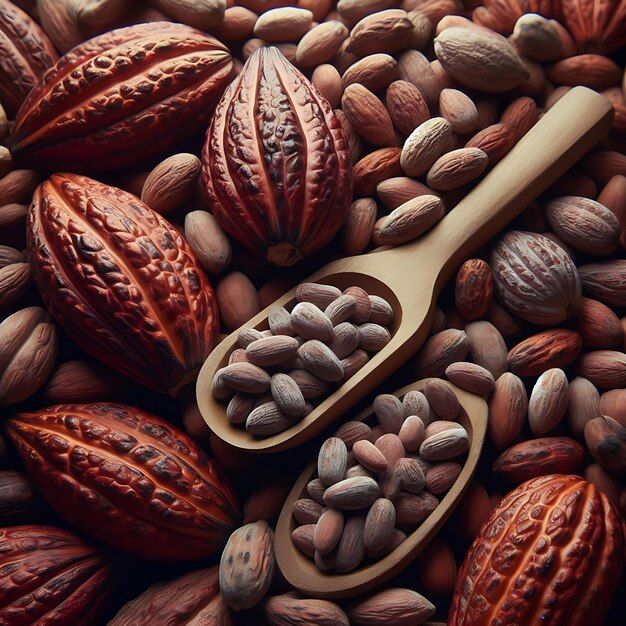
Cocoa is a tropical crop derived from the seeds of the Theobroma cacao tree. It is the fundamental raw material for chocolate and is one of the most traded agricultural commodities worldwide. The beans are processed into cocoa butter, cocoa liquor, and cocoa powder, which are essential in food, beverage, pharmaceutical, and cosmetic industries.
Cocoa is cultivated in regions with hot, rainy climates and thrives in rich, well-drained soils. The crop is harvested, fermented, dried, and packed for international trade, making it a key export product with strong global demand.
What Cocoa Export Is
Cocoa export involves the international trade of raw or processed cocoa beans to buyers across the globe. Exporters ensure that the beans are properly fermented, dried, sorted, and packaged according to international standards. Depending on buyer preference, cocoa may be exported in raw form, semi-processed form (nibs, liquor, butter, powder), or fully processed into products like chocolate.
Cocoa export contributes significantly to the global food supply chain, particularly in confectionery, bakery, beverage, and cosmetic industries. Exporters must comply with global trade regulations, quality assurance standards, and documentation requirements to access competitive markets.
Forms of Cocoa Export
-
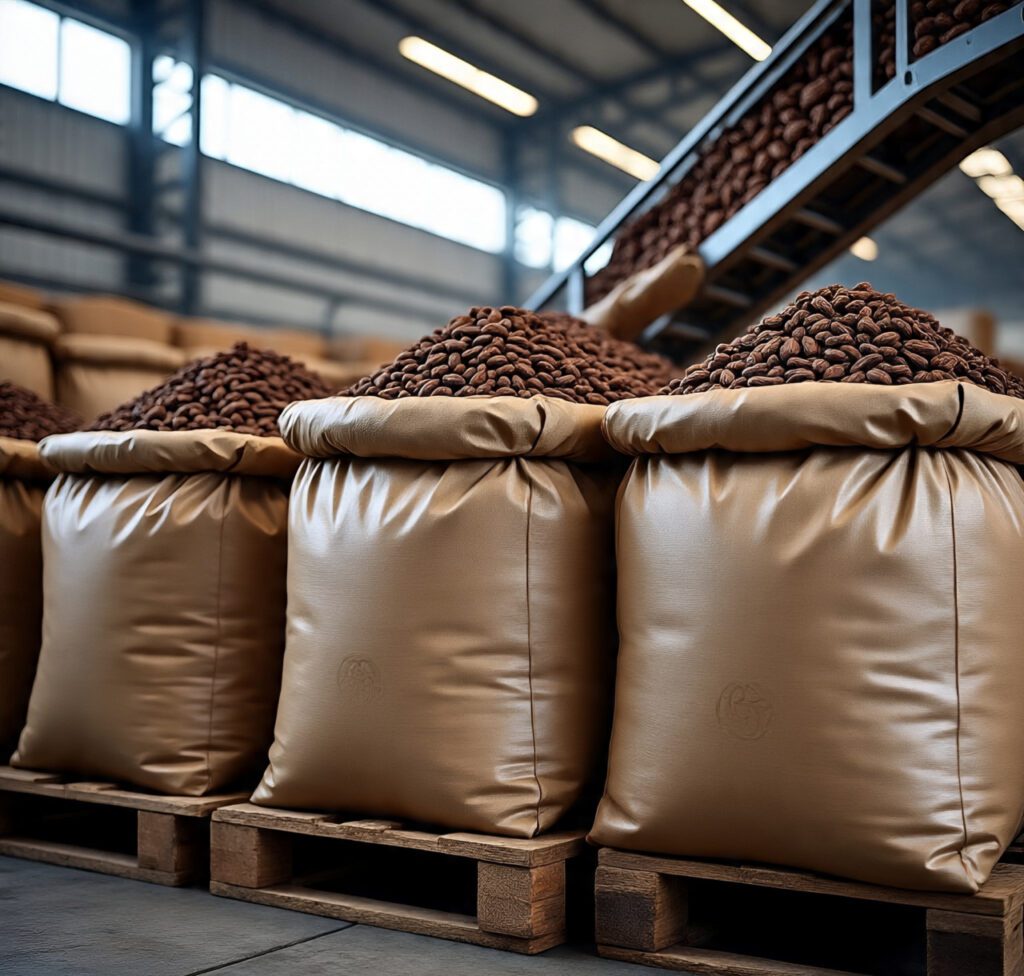
Raw Cocoa Beans – Well-fermented and sun-dried beans packed in jute bags.
-
Cocoa Nibs – Crushed cocoa beans without shells, used for chocolate and snacks.
-
Cocoa Liquor (Paste) – Produced by grinding roasted nibs; used in chocolate manufacturing.
-
Cocoa Butter – Extracted fat used in chocolate, cosmetics, and pharmaceuticals.
-
Cocoa Powder – The solid residue after butter extraction, widely used in drinks and baked goods.
Uses of Cocoa
-
Food & Beverages: Chocolate, cocoa drinks, confectioneries, biscuits, cakes, and ice creams.
-
Cosmetics: Cocoa butter in lotions, creams, soaps, and lip balms.
-
Pharmaceuticals: Used in medicinal syrups and supplements due to antioxidant properties.
-
Health Benefits: Rich in flavonoids, cocoa supports cardiovascular health, reduces inflammation, and improves mood.
Export Packaging & Specifications
-
Packaging: Typically in 60–65 kg jute bags lined with polythene for protection.
-
Moisture Content: Maximum of 7–8%.
-
Bean Count: 90–120 beans per 100 g (depending on grade).
-
Admixture: Less than 2%.
-
Fermentation: Well-fermented beans with minimal slate and mold.
Global Market Demand
Cocoa remains one of the most highly demanded agricultural commodities worldwide. The chocolate industry alone consumes millions of metric tons annually. Europe and North America are major importers, with growing demand also seen in Asia and the Middle East. Increasing health awareness has also boosted cocoa consumption in beverages and nutraceuticals.
In summary: Cocoa export is a highly lucrative and sustainable business opportunity. With its diverse uses in food, cosmetics, and health industries, cocoa continues to dominate international agricultural trade. Exporters who ensure quality compliance, efficient logistics, and strong buyer relationships can thrive in this competitive but rewarding market.