What is Sweet Potato?
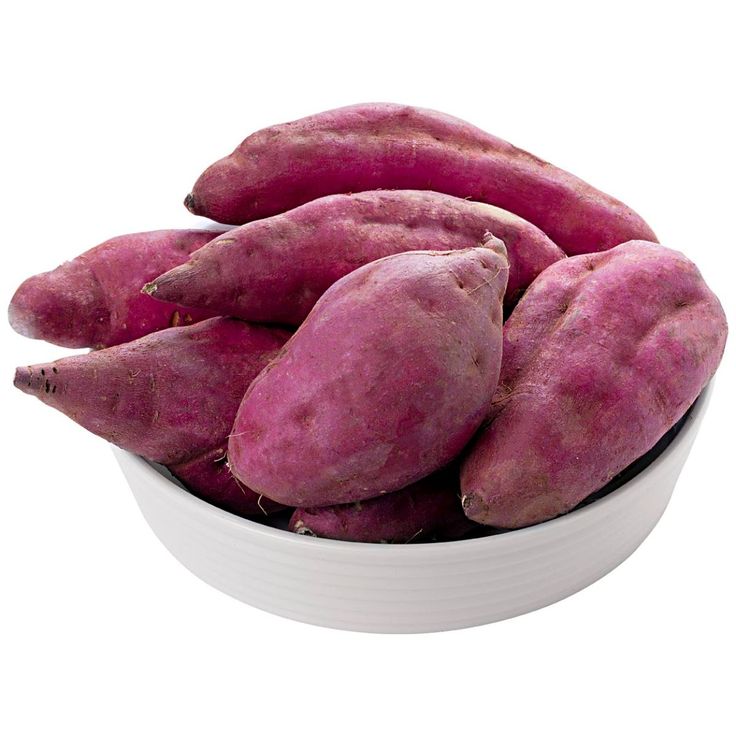
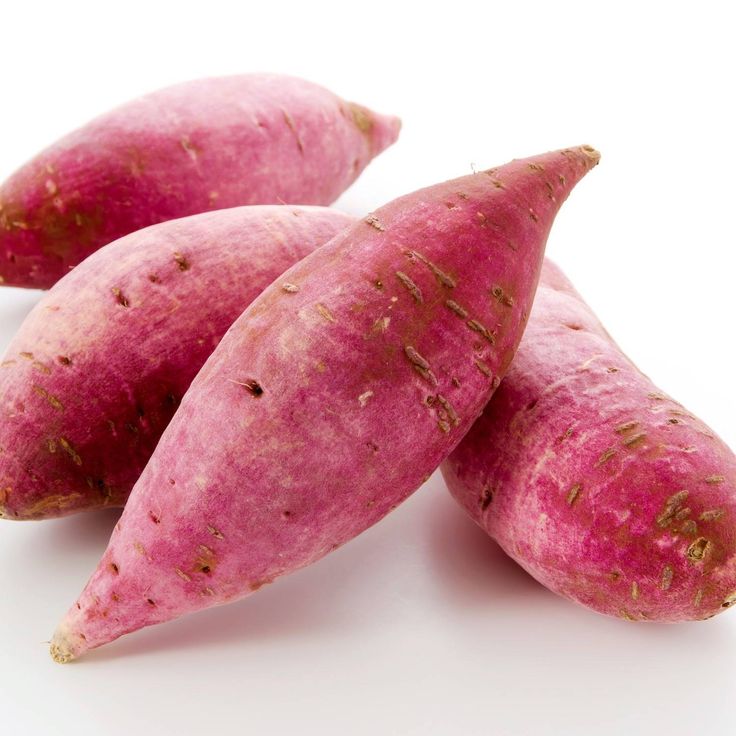
Sweet potato is a root tuber widely consumed across the globe for its naturally sweet flavor, versatility, and high nutritional value. Unlike regular potatoes, sweet potatoes have orange, white, yellow, or even purple flesh, with smooth edible skin that can range from cream to reddish-brown. They are used in both traditional meals and modern cuisines, making them one of the most traded tubers in international markets.
Why Sweet Potatoes Export Matters
Sweet potatoes are not just a staple food—they are a superfood in high demand worldwide. Their export significance lies in:
-
Nutritional Benefits: A rich source of fiber, beta-carotene (Vitamin A), Vitamin C, manganese, and antioxidants.
-
Global Appeal: Popular in households, restaurants, and food industries across different cultures.
-
Dietary Trends: Favored in health-conscious diets, vegan meals, and gluten-free food alternatives.
-
Diverse Uses: Consumed fresh, processed into flour, starch, puree, fries, chips, and baked goods.
-
Industrial Applications: Starch used in food processing, adhesives, and textiles.
Forms of Sweet Potatoes Export
-
Fresh Tubers
-
Harvested, sorted, and packaged for direct consumption.
-
Supplied to supermarkets, restaurants, and ethnic markets.
-
-
Sweet Potato Flour
-
Made by drying and milling into powder.
-
Used for baby food, gluten-free baking, and instant meals.
-
-
Sweet Potato Chips
-
Sliced and fried or baked as ready-to-eat snacks.
-
Increasingly popular in health snack industries.
-
-
Frozen or Processed Products
-
Exported as frozen fries, wedges, puree, or flakes.
-
Widely demanded in fast-food chains and industrial food production.
-
-
Sweet Potato Starch
-
Used in food thickening, noodles, confectionery, and industrial sectors.
-
Packaging and Handling
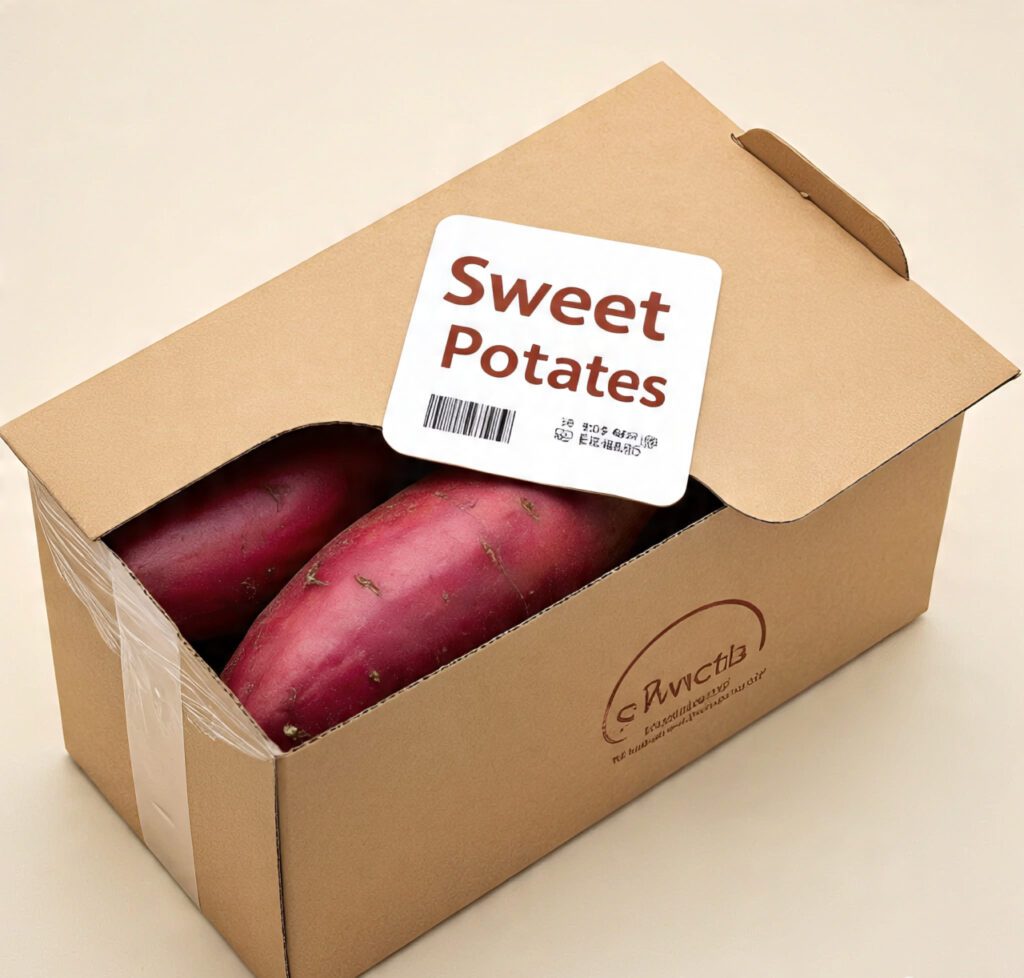
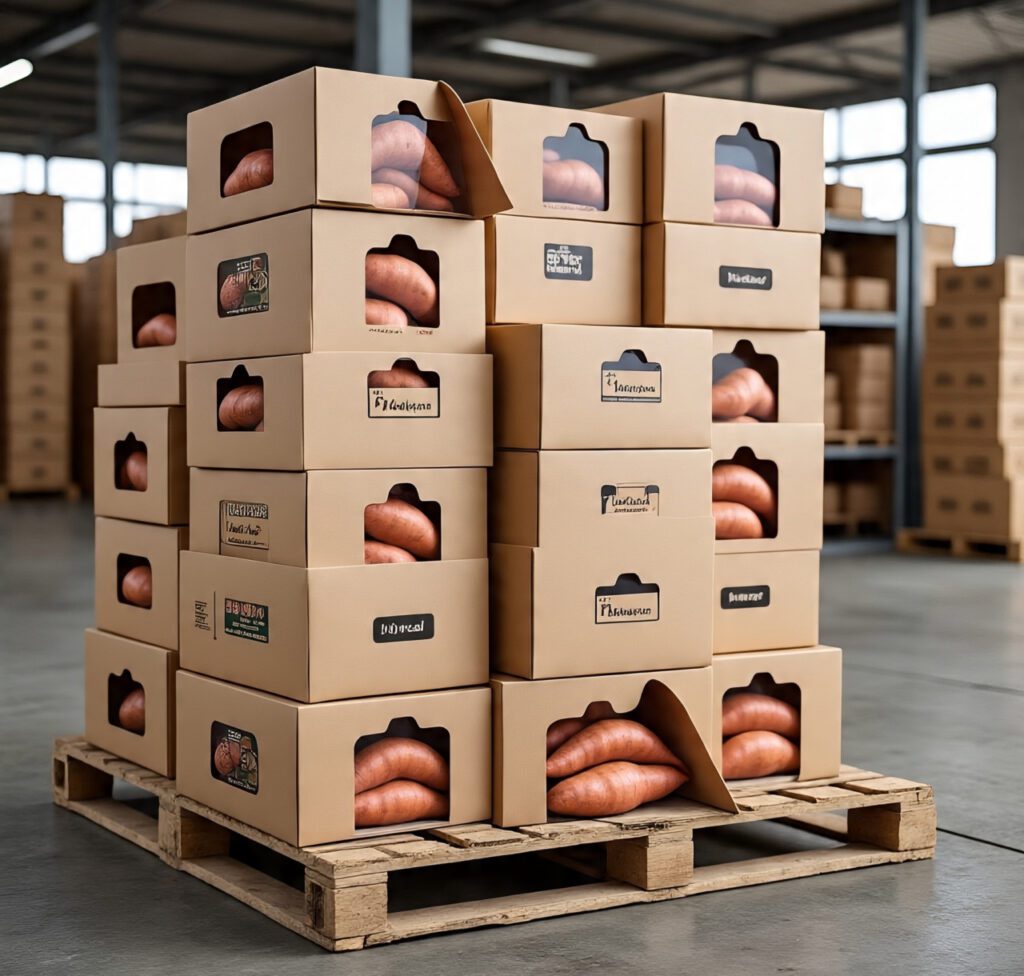
Exporting sweet potatoes requires attention to freshness, durability, and food safety. Packaging options include:
-
Mesh Bags or Cartons: For fresh tubers, ensuring ventilation.
-
Polypropylene Bags or Sealed Pouches: For flour, puree, or chips.
-
Frozen Packaging: For fries, wedges, and puree requiring cold chain logistics.
Best practices in handling include:
-
Harvesting at maturity to ensure quality.
-
Cleaning and curing to extend shelf life.
-
Storing in well-ventilated, temperature-controlled environments.
Export Process
-
Sourcing & Selection
-
Procuring from farms with consistent quality.
-
Sorting to ensure only healthy, bruise-free tubers are selected.
-
-
Cleaning & Packaging
-
Removing soil and packaging according to international standards.
-
-
Compliance & Documentation
-
Meeting global food safety and phytosanitary requirements.
-
Preparing documents such as Phytosanitary Certificates, Certificates of Origin, Packing Lists, and Invoices.
-
-
Logistics & Shipping
-
Exported via sea or air freight.
-
Cold storage and controlled atmosphere shipping for frozen products.
-
Global Demand for Sweet Potatoes
Sweet potatoes enjoy strong and increasing global demand because of:
-
Health & Wellness Trends: Promoted as a superfood in diets worldwide.
-
Fast-Food Growth: Rising demand for sweet potato fries and wedges in global chains.
-
Retail Expansion: High sales in supermarkets, health stores, and ethnic food shops.
-
Industrial Applications: Use of starch in multiple industries.
-
Cultural Popularity: Consumed across diverse cuisines and celebrations.
Challenges in Sweet Potatoes Export
-
Perishability: Tubers can bruise or spoil if not handled properly.
-
Logistics: Need for efficient storage and transportation to maintain quality.
-
Compliance: Adhering to international safety standards for fresh and processed products.
-
Competition: Global markets already have multiple suppliers; quality consistency is key.
Opportunities for Growth
-
Value Addition: Growth in chips, fries, puree, and flour production for export.
-
Health Food Market: Increasing demand among vegan, vegetarian, and gluten-free consumers.
-
Frozen Supply Chains: Expansion in processed frozen sweet potato products for global markets.
-
Branding: Marketing sweet potatoes as a premium, healthy, and versatile product.
Conclusion
Sweet potatoes are more than just a tuber—they are a nutrient-packed, versatile, and globally celebrated crop with strong export potential. From fresh tubers to flour, fries, starch, and chips, sweet potatoes cater to both traditional and modern demands. With the right processing, packaging, and compliance, exporters can successfully position sweet potatoes as a premium product in international markets.