
What Soya Beans Is
Soya beans (Glycine max) are one of the world’s most important leguminous crops, cultivated for their high protein and oil content. They are small, oval-shaped seeds that come in colors such as yellow, green, brown, or black. Soya beans are a versatile crop used for food, animal feed, and industrial purposes.
They are processed into various products such as soy flour, soy milk, soy protein, soy oil, tofu, and animal feed. Their high nutritional value and adaptability have made them a global commodity with a strong presence in the international market.
What Soya Beans Export Is
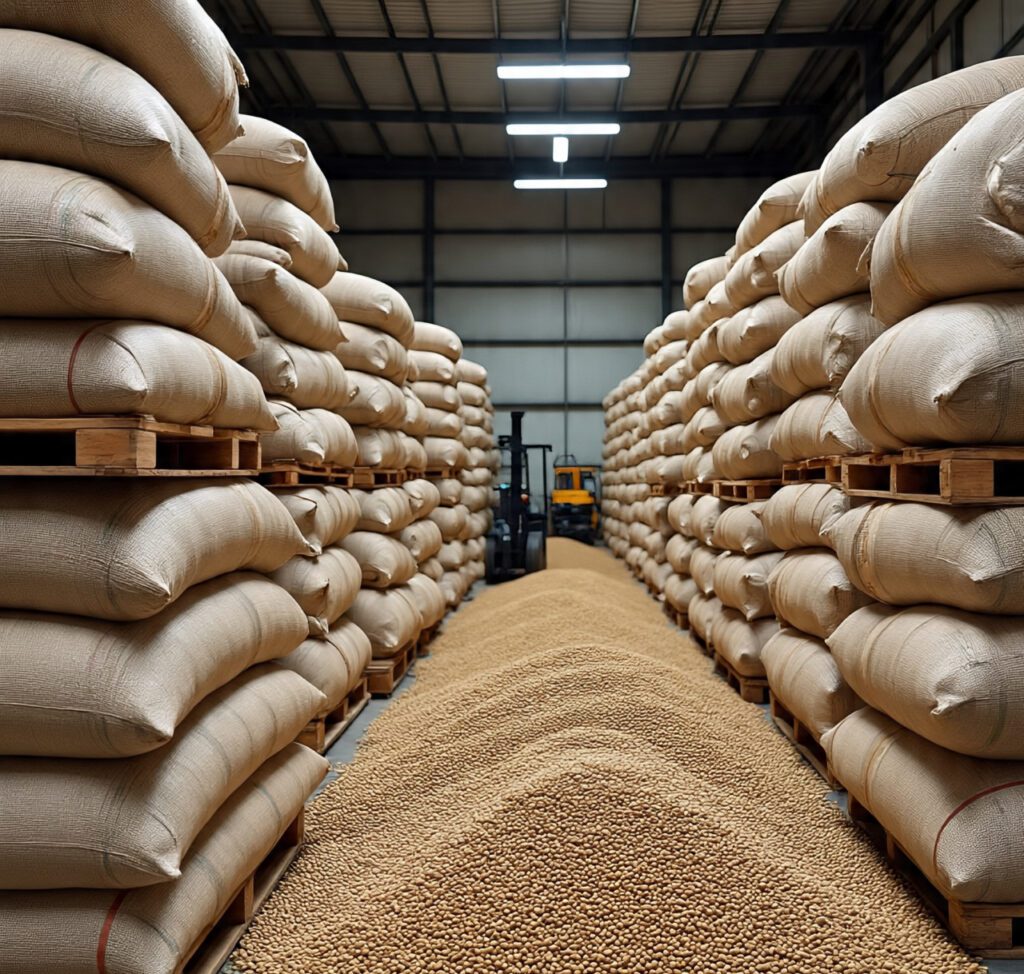
Soya beans export refers to the trade of raw or processed soybeans from producing countries to international buyers. Exporters supply whole soybeans, processed soy meal, or soy oil to different industries worldwide. The product is shipped in bulk, often in containers or large bags, after being cleaned and sorted to meet international standards.
Exporters must comply with international quality requirements, including proper grading, moisture control, and pest-free certification, to access key global markets.
Forms of Soya Beans Export
-
Whole Soya Beans – Raw, cleaned beans exported in bulk.
-
Soy Meal (Cake) – A byproduct after oil extraction, widely used in animal feed.
-
Soy Oil – Extracted from soybeans for cooking, cosmetics, and industrial use.
-
Soy Protein Products – Used in food processing and nutrition supplements.
-
Soy Flour – Used in bakery and processed food industries.
Uses of Soya Beans
-
Food Industry: Soy milk, tofu, soy flour, textured soy protein, and soy-based snacks.
-
Animal Feed: Soy meal as a primary protein source in poultry, cattle, and aquaculture feed.
-
Cosmetics & Pharmaceuticals: Soy oil and protein extracts are used in creams, lotions, and supplements.
-
Industrial Uses: Biofuel production, printing inks, lubricants, and biodegradable plastics.
-
Health Benefits: Rich in protein, omega-3 fatty acids, and isoflavones that support heart health and hormone balance.
Export Packaging & Specifications
-
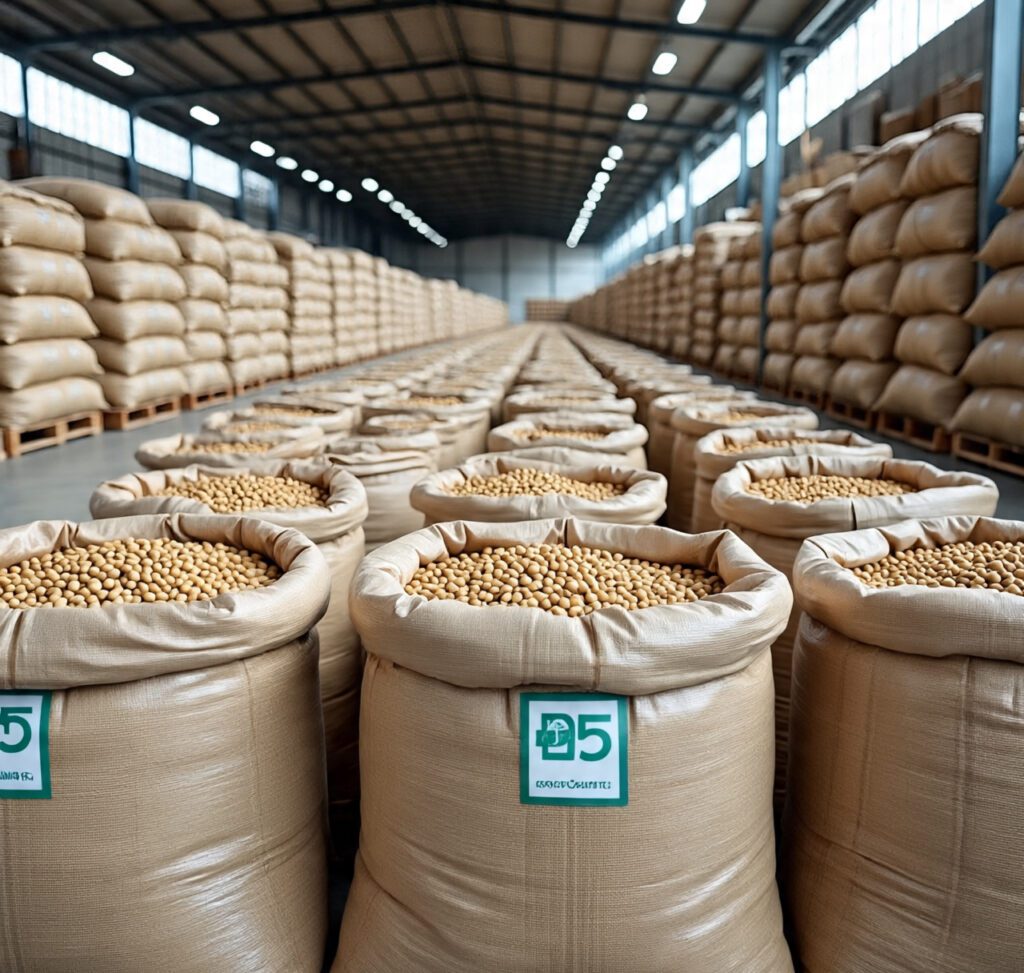
Packaging: Usually in 25–50 kg polypropylene bags, or shipped in bulk containers.
-
Moisture Content: Maximum of 12–13%.
-
Purity: 97–99% depending on grade.
-
Admixture: Should not exceed 2%.
-
Oil Content: Approximately 18–20%.
-
Protein Content: Around 35–40%.
Global Market Demand
Soya beans are one of the most traded agricultural commodities in the world. The largest demand comes from the food and animal feed industries, particularly in Asia, Europe, and North America. With rising global interest in plant-based protein and sustainable food production, the demand for soya beans continues to grow rapidly.
In summary: Soya beans export is a highly profitable venture due to its wide applications in food, feed, cosmetics, and industrial sectors. Exporters who ensure strict quality standards, effective logistics, and long-term buyer relationships can establish a strong presence in this booming international market.