What Sesame Seed Is
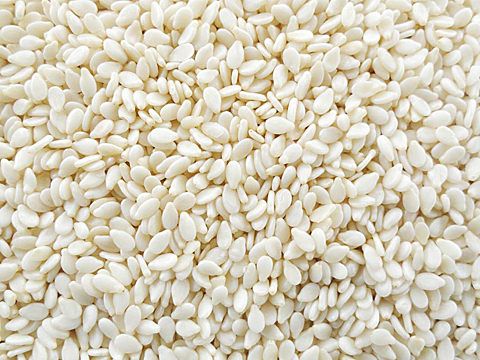
Sesame seed (Sesamum indicum) is one of the oldest oilseed crops known to humanity. The seeds are small, oval, and come in a variety of colors including white, brown, black, and golden. Renowned for their rich oil content and nutty flavor, sesame seeds are used extensively in food preparation, health products, and cosmetics.
They are highly valued for their stability due to natural antioxidants (sesamol and sesamin) which extend the shelf life of sesame oil. This makes sesame an important export commodity with diverse global applications.
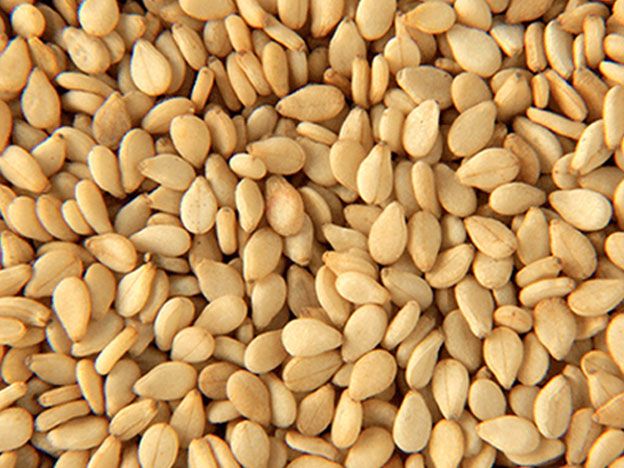
What Sesame Seed Export Is
Sesame seed export involves the international trade of raw or processed sesame seeds to buyers around the world. Exporters clean, sort, grade, and package sesame to meet strict international standards. Sesame is exported in different forms—hulled, unhulled, roasted, or as oil—depending on buyer needs and industry requirements.
Due to its high demand in both food and non-food industries, sesame seed export is a fast-growing sector in global agricultural trade.
Forms of Sesame Seed Export
-
Raw Sesame Seeds (Unhulled) – Whole seeds with outer shell intact.
-
Hulled Sesame Seeds – Shell removed, used in bakery, confectionery, and food products.
-
Roasted Sesame Seeds – Heat-treated for direct consumption or culinary use.
-
Sesame Oil – Extracted oil for cooking, pharmaceuticals, and cosmetics.
-
Sesame Meal (Cake) – Byproduct after oil extraction, used in animal feed.
Uses of Sesame Seed
-
Food Industry: Used in bread, biscuits, tahini, hummus, sauces, and garnishing.
-
Oil Production: Sesame oil for cooking and seasoning.
-
Cosmetics: Sesame oil in creams, soaps, hair products, and skincare formulations.
-
Pharmaceuticals: Ingredient in traditional medicine, nutraceuticals, and supplements.
-
Industrial Uses: In paints, lubricants, and bio-based products.
Export Packaging & Specifications
-
Packaging: Typically in 25–50 kg polypropylene bags, or in bulk for oil production.
-
Moisture Content: Maximum of 6–7%.
-
Purity: 98–99% depending on grade.
-
Oil Content: Around 45–50%.
-
Admixture: Should not exceed 1–2%.
-
Aflatoxin: Must be within internationally acceptable limits.
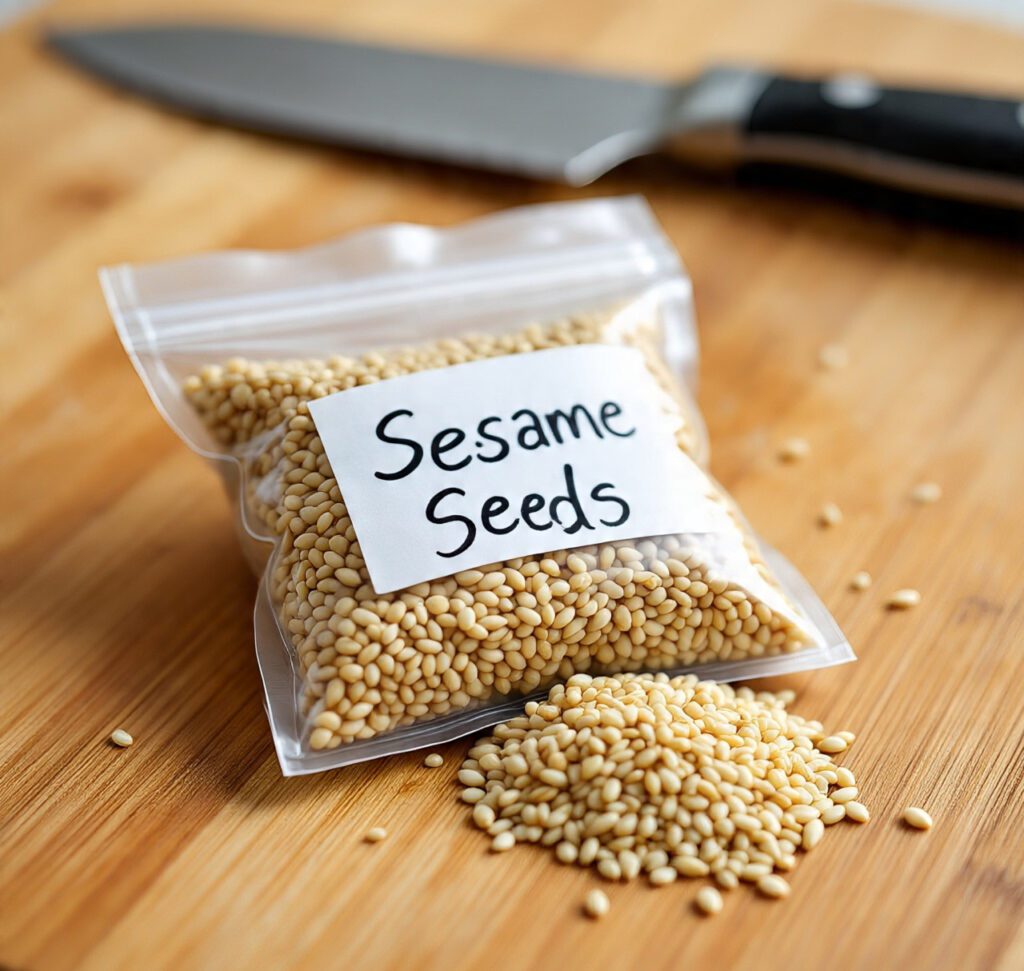
Global Market Demand
Sesame seeds enjoy consistently high demand worldwide. The largest importers are concentrated in Asia, the Middle East, and Europe, with sesame being a key ingredient in bakery, snacks, sauces, and oil production. Growing global interest in healthy, plant-based oils and natural food ingredients continues to drive the sesame seed trade upward.
In summary: Sesame seed export is a profitable and sustainable venture due to its widespread uses in food, oil production, cosmetics, and pharmaceuticals. Exporters who can guarantee high-quality seeds, proper packaging, and compliance with international standards can establish strong business relationships and thrive in this competitive global market.