
What is Cashew Nut?
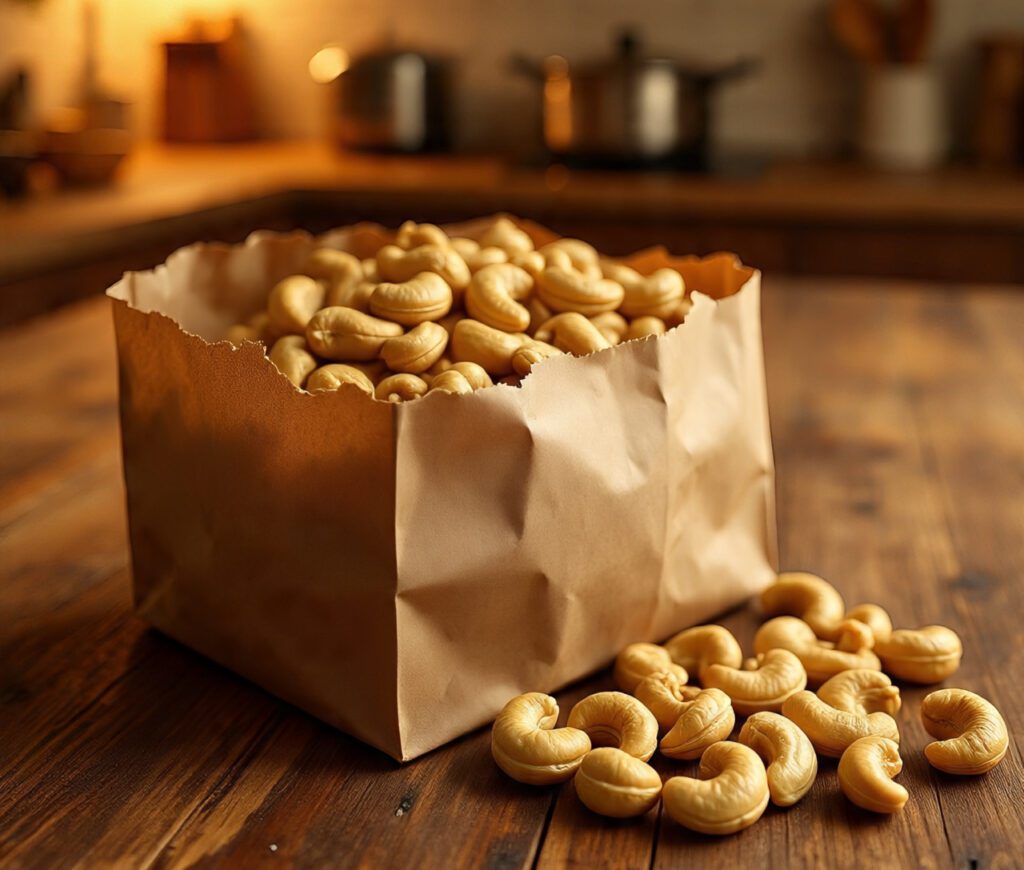
Cashew Nut, scientifically known as Anacardium occidentale, is the edible seed of the cashew tree. It grows at the bottom of the cashew apple, a pear-shaped fruit. The cashew nut is kidney-shaped, crunchy, and has a naturally creamy, buttery taste.
Cashews are rich in protein, healthy fats, vitamins, minerals, and antioxidants, making them one of the most consumed and valuable nuts in the world. They are widely used in snacking, confectionery, culinary dishes, and industrial processing.
What Export of Cashew Nut Is
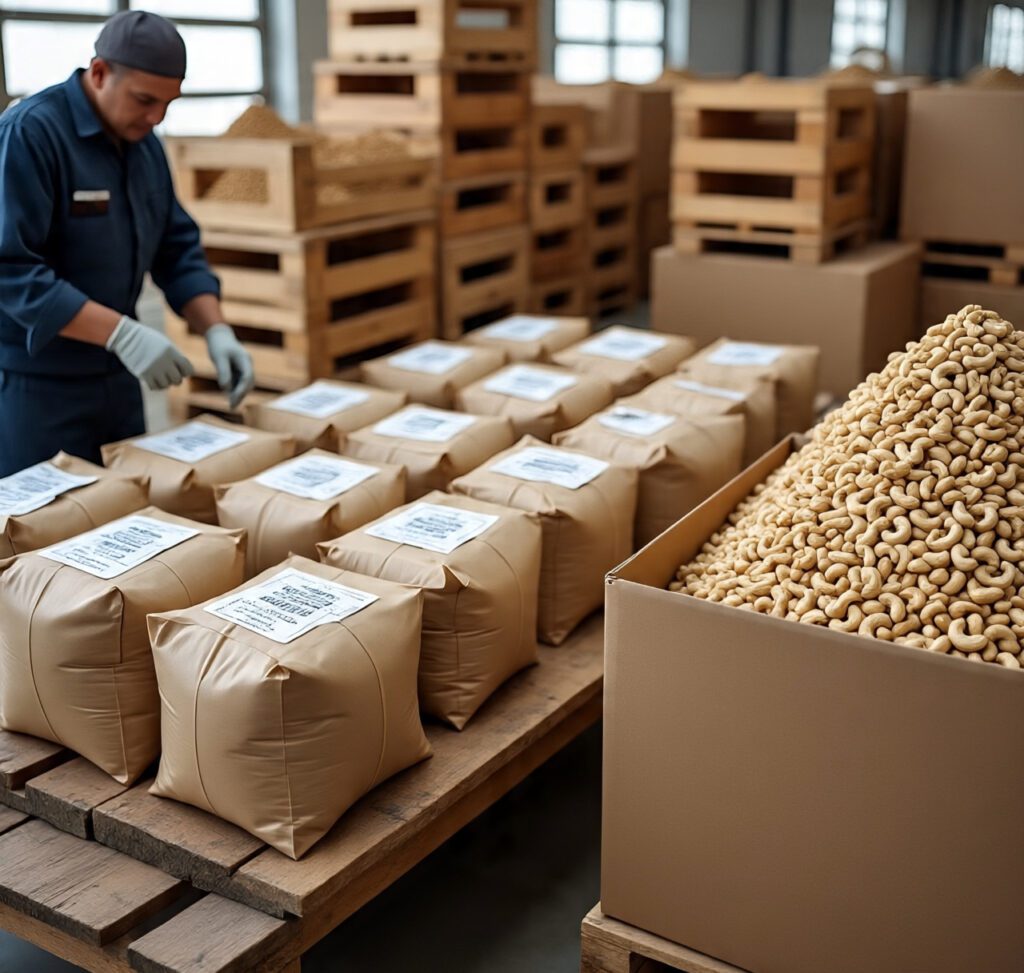
Exporting Cashew Nuts requires strict quality control, as international buyers demand well-processed nuts that are free from contamination. The export chain typically involves:
-
Raw Cashew Nuts (RCN) – Harvested, sun-dried, and exported for shelling and processing abroad.
-
Cashew Kernels – Processed, shelled, graded, and packaged nuts ready for consumption.
-
By-products – Cashew nut shell liquid (CNSL), used in paints, brake linings, and lubricants.
Global demand for cashews continues to grow, especially in Asia, Europe, North America, and the Middle East, where they are highly prized for their taste and nutritional benefits.
Export Specifications
-
Product Form: Raw Cashew Nuts, Kernels, or By-products (CNSL)
-
Moisture Content: ≤ 10%
-
Nut Count: 170–200 per kg (for raw cashews, depending on grade)
-
Out-turn Ratio (KOR): 45–52 lbs (measure of kernel recovery)
-
Defective Nuts: ≤ 2%
-
Packaging Options:
-
25kg / 50kg jute or polypropylene bags (RCN)
-
Vacuum-sealed pouches or tins (kernels)
-
-
Storage: Cool, dry, and ventilated environment
-
Shelf Life:
-
Raw Cashews: 6–12 months
-
Kernels: 12–18 months when vacuum-packed
-
Uses of Cashew Nut
-
Food & Snacks – Consumed roasted, salted, or flavored.
-
Confectionery & Baking – Used in chocolates, cookies, cakes, and pastries.
-
Culinary Ingredient – Common in Asian, Middle Eastern, and African cuisines.
-
Dairy Alternatives – Processed into cashew milk, cashew cheese, and cashew butter.
-
Industrial Use – CNSL used in chemicals, paints, and lubricants.
-
Nutraceuticals – Incorporated into health and protein products.
Why Cashew Nut is Attractive for Export
-
High Global Demand: One of the world’s most traded nuts with rising consumption.
-
Nutritional Value: Popular among health-conscious consumers.
-
Multiple Export Options: Raw nuts, kernels, and by-products.
-
Strong Market Growth: Increasing demand in snacks, confectionery, and plant-based foods.
-
Value-Added Potential: Processing cashew kernels fetches higher profits than raw nut exports.
Cashew Nut is a premium export commodity with strong global demand and multiple applications across food, beverages, and industry. Exporters who maintain quality grading, proper packaging, and competitive out-turn ratios (KOR) can secure a reliable foothold in international markets.