What is Cocoyam?
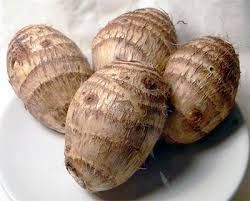
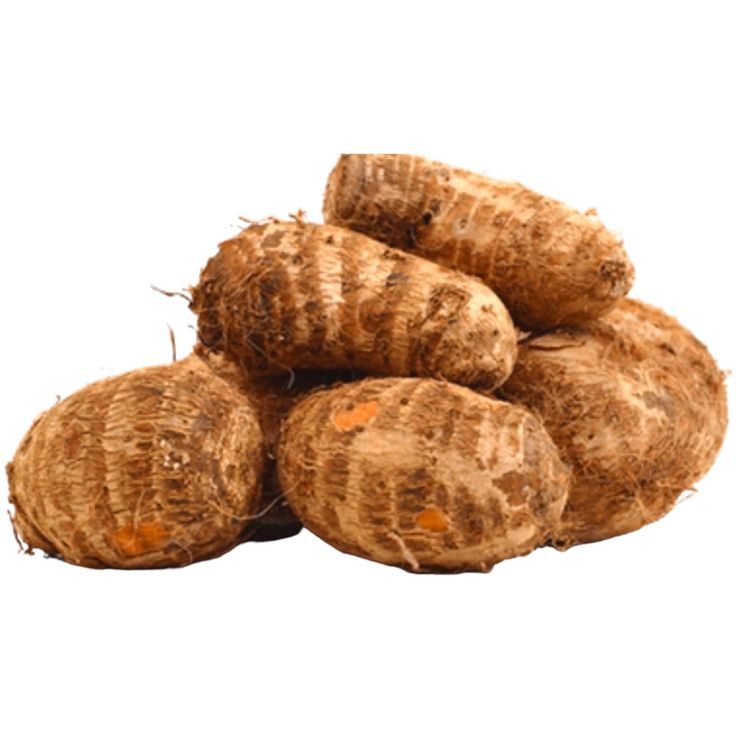
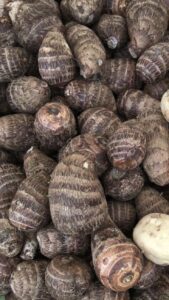
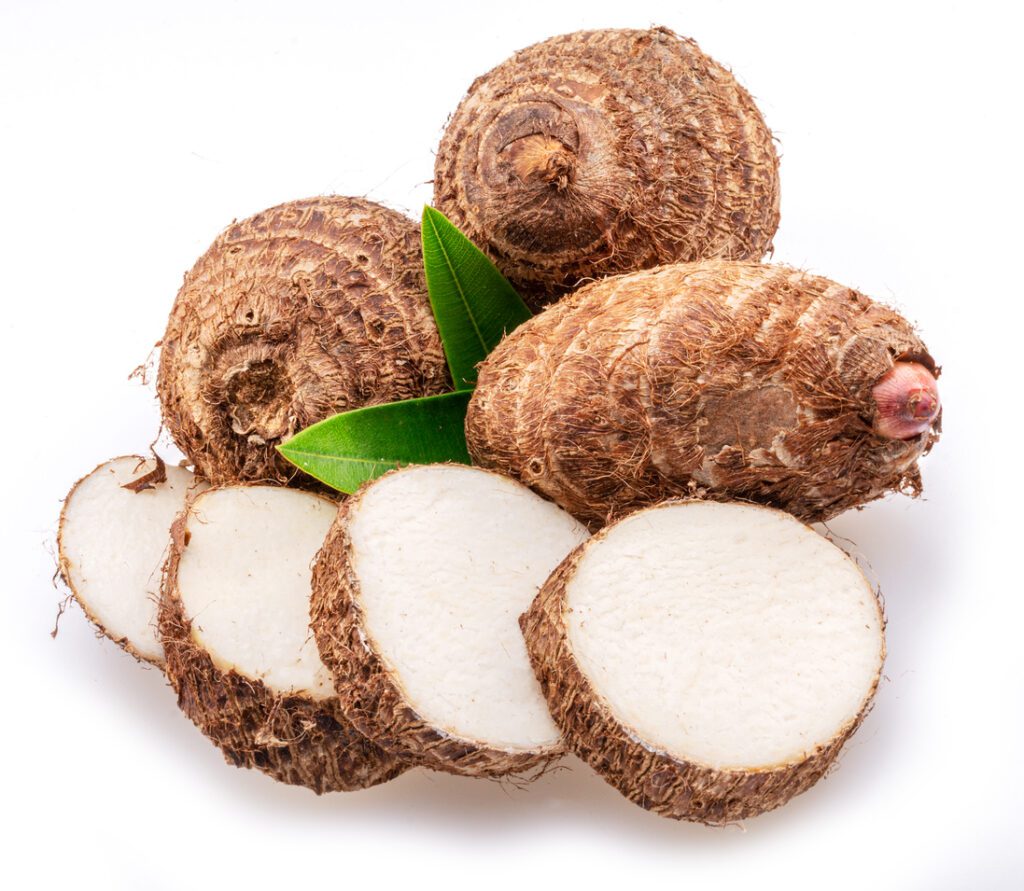
Cocoyam is a tropical root crop valued for its starchy underground corms and edible leaves. It belongs to the taro and tannia family and is a versatile food source consumed in many regions worldwide. Cocoyam has a smooth, nutty flavor and is used in soups, stews, flours, snacks, and other food preparations. Both the tubers and the leaves are important sources of nutrition.
Why Cocoyam Export Matters
Exporting cocoyam provides opportunities to supply international markets where demand for root crops and traditional foods is steadily increasing. Cocoyam’s unique qualities make it a sought-after commodity:
-
Nutritional Value: Rich in fiber, potassium, vitamin C, vitamin E, and antioxidants.
-
Dietary Appeal: A gluten-free alternative to other carbohydrate foods.
-
Diverse Uses: Suitable for boiling, frying, roasting, milling into flour, or processing into chips.
-
Cultural Relevance: Forms a staple part of many traditional dishes across Africa, Asia, and the Caribbean.
-
Industrial Potential: Cocoyam starch is used in pharmaceuticals, textiles, and adhesive industries.
Forms of Cocoyam Export
-
Fresh Cocoyam Tubers
-
Carefully harvested and sorted to ensure only healthy corms are exported.
-
Used by households, restaurants, and ethnic food stores.
-
-
Cocoyam Flour
-
Produced by drying and milling cocoyam into a fine powder.
-
Commonly used in soups, puddings, baby foods, and baked goods.
-
Offers a longer shelf life and easy transport compared to fresh tubers.
-
-
Cocoyam Chips
-
Thinly sliced, dried, or fried cocoyam slices.
-
Packaged as ready-to-cook or ready-to-eat snacks.
-
-
Cocoyam Starch
-
Extracted and refined for use in food processing, textiles, and pharmaceuticals.
-
-
Cocoyam Leaves (Vegetable)
-
Fresh or dried leaves exported for use in soups, stews, and sauces.
-
 Packaging and Handling
 Packaging and Handling
To preserve quality, cocoyam is packaged according to international standards:
-
Fresh Tubers: Packed in jute or mesh bags to allow ventilation during transport.
-
Flour and Chips: Stored in airtight polypropylene bags or cartons to prevent contamination.
-
Leaves: Wrapped and cooled to maintain freshness during shipment.
Proper handling includes cleaning, curing, sorting, and ensuring tubers are free from rot or damage.
Export Process
The process of exporting cocoyam involves:
-
Sourcing & Selection
-
Procuring cocoyam from trusted farms.
-
Sorting and grading to meet buyer requirements.
-
-
Cleaning & Packaging
-
Removing soil, trimming excess roots, and packaging based on order specifications.
-
-
Compliance & Documentation
-
Adhering to international phytosanitary and food safety standards.
-
Preparing necessary export documentation such as Certificates of Origin, Health Certificates, and Packing Lists.
-
-
Logistics & Shipping
-
Exported via sea freight or air cargo.
-
Ventilation and temperature control are maintained for fresh tubers.
-
Global Demand for Cocoyam
Cocoyam enjoys steady international demand due to:
-
Diaspora Communities: Strong cultural preference for cocoyam in traditional meals.
-
Health Benefits: Growing recognition of cocoyam as a healthier alternative to some starchy foods.
-
Food Diversity: Increasing popularity of ethnic cuisines in global markets.
-
Industrial Applications: Use of cocoyam starch in non-food industries.
Challenges in Cocoyam Export
-
Perishability: Fresh cocoyam tubers are prone to rot if not properly handled.
-
Compliance: Meeting international quality and phytosanitary standards.
-
Logistics: Maintaining freshness during long-distance shipping.
-
Competition: Competing with other root crops such as yam, cassava, and sweet potatoes.
Opportunities for Growth
-
Value-Added Products: Expansion into flour, chips, starch, and baby food production.
-
Technology Use: Improved storage, drying, and packaging techniques.
-
Market Expansion: Growing demand in Europe, Asia, and North America.
-
Branding: Positioning cocoyam as a health food with unique cultural value.
Conclusion
Cocoyam is more than just a staple food—it is a versatile crop with significant export potential. With applications ranging from fresh tubers and flour to chips, starch, and leaves, cocoyam offers opportunities in both food and non-food industries. By ensuring proper handling, quality assurance, and compliance with international standards, exporters can successfully tap into the expanding global demand for cocoyam.