
What is Yam?
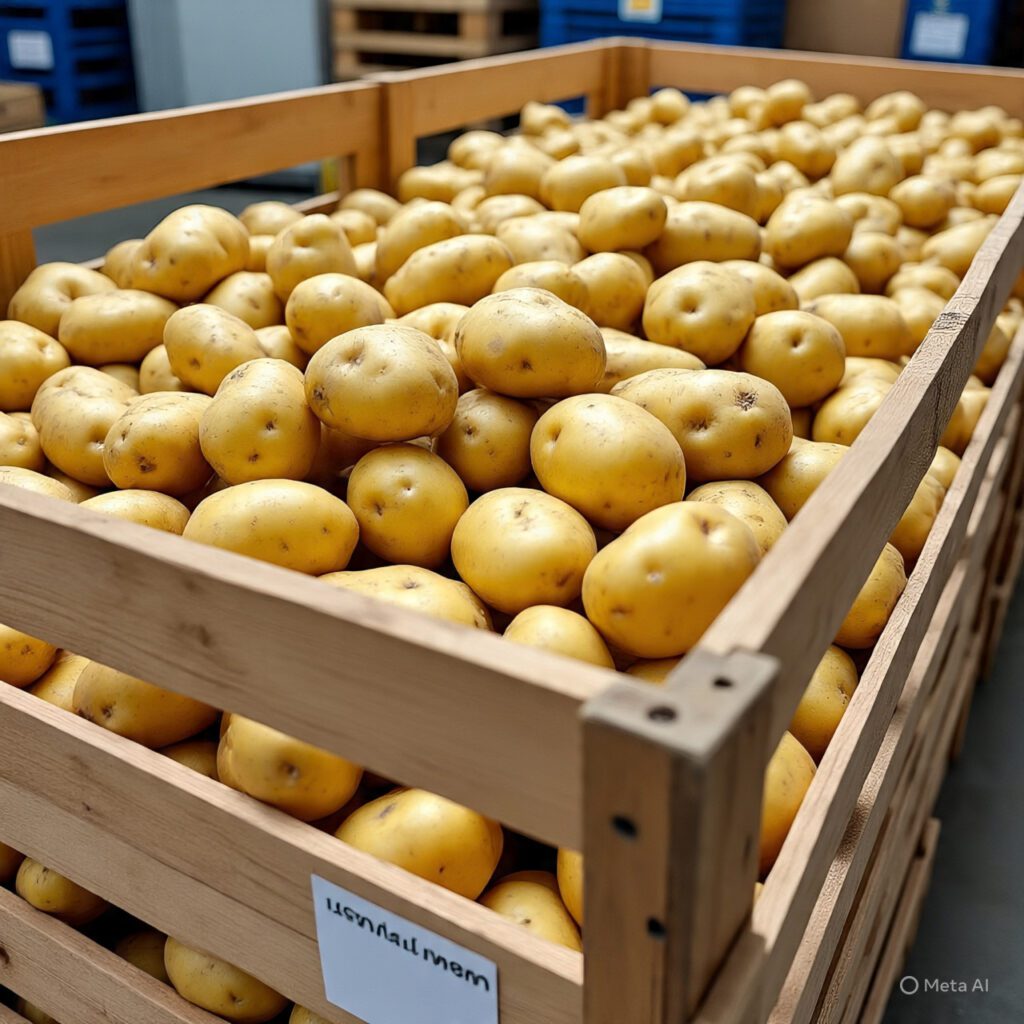
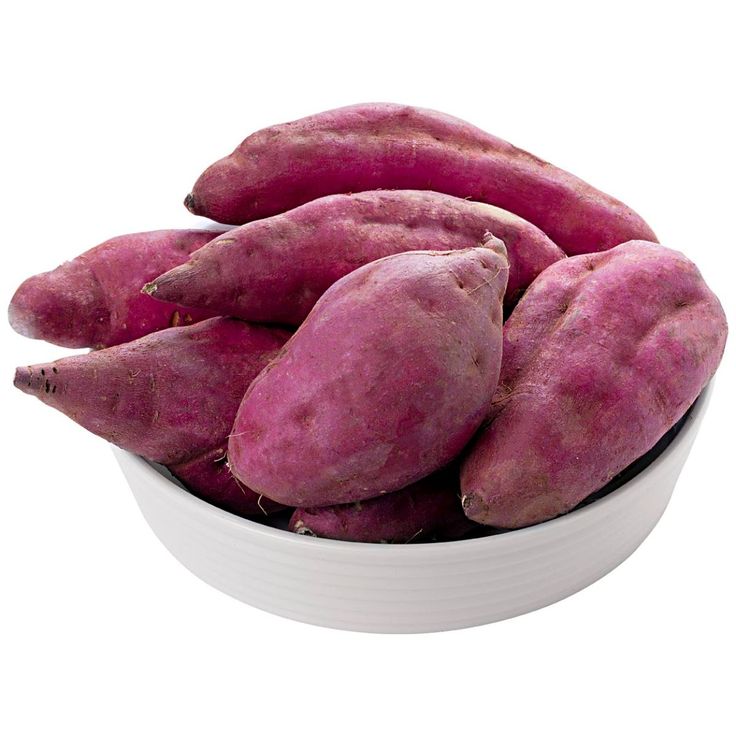
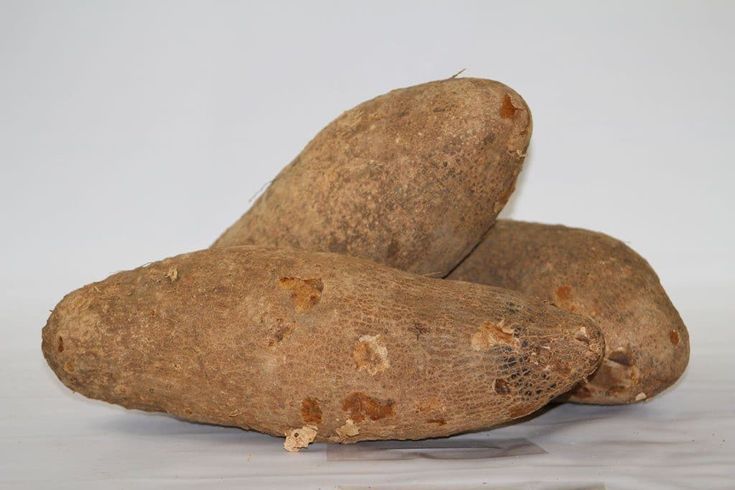
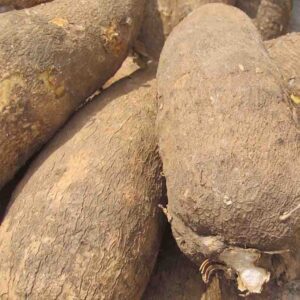
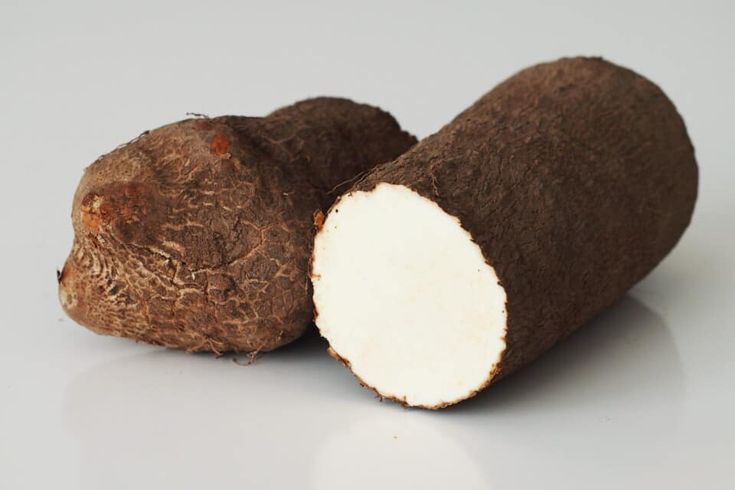
Yam is a staple root crop enjoyed by millions across the world for its versatility, nutrition, and cultural importance. Unlike sweet potatoes, yams are starchy tubers with a rough brown skin and white, yellow, or purple flesh depending on the variety. They are a rich source of carbohydrates, dietary fiber, vitamins, and minerals, making them a vital food source as well as a sought-after export commodity.
Why Yam Export is Important
The export of yam plays a significant role in connecting producers with global markets where demand continues to rise. Yams are not just consumed as food but are also processed into flour, starch, chips, and other value-added products. Exporting yam contributes to:
-
Global Food Supply: Meeting the growing demand for tubers worldwide.
-
Diverse Markets: Supplying international communities, especially in regions with high consumption of African and Caribbean cuisines.
-
Value Addition: Creating opportunities for yam flour, chips, and starch-based industries.
-
Cultural Relevance: Providing a food staple that forms part of traditional meals and festivities in many parts of the world.
Forms of Yam Export
Exported yam can take different forms depending on the target market and product requirements:
-
Fresh Yam Tubers
-
Exported in their natural, harvested form.
-
Carefully sorted, cleaned, and packaged to maintain freshness during shipping.
-
-
Yam Flour
-
Produced by peeling, drying, and milling yam.
-
Used to prepare instant meals such as pounded yam and other delicacies.
-
Lightweight, easy to transport, and has a longer shelf life than fresh yam.
-
-
Yam Chips
-
Sliced and dried, then exported as a ready-to-cook option.
-
Convenient for households and restaurants.
-
-
Yam Starch
-
Extracted and processed for use in food manufacturing, textiles, adhesives, and pharmaceuticals.
-
Packaging and Handling
Proper packaging is crucial in yam export to ensure the product arrives in good condition. Exporters typically use:
-
Mesh or Jute Bags: For fresh tubers, allowing ventilation during shipping.
-
Sealed Polypropylene Bags or Cartons: For yam flour and chips, to maintain hygiene and prevent contamination.
-
Bulk Containers: For industrial starch and large-volume orders.
Special care is taken to avoid bruising or rotting of fresh yams. Handling practices include sorting only healthy tubers, curing them properly before export, and maintaining ideal storage conditions during shipment.
Export Process
The process of exporting yam typically includes:
-
Sourcing & Selection
-
Procuring high-quality yams from trusted farms.
-
Sorting to remove defective or undersized tubers.
-
-
Cleaning & Packaging
-
Washing to remove soil and impurities.
-
Packaging according to buyer specifications.
-
-
Documentation & Compliance
-
Meeting international food safety and phytosanitary standards.
-
Preparing export documents such as Certificates of Origin, Phytosanitary Certificates, and Packing Lists.
-
-
Shipping & Logistics
-
Transporting via sea or air cargo.
-
Ensuring proper ventilation, temperature control, and moisture levels.
-
Global Demand for Yam
Yam has a strong global demand due to:
-
High Diaspora Populations: Communities abroad seek traditional food items like yam.
-
Health Benefits: Increasing recognition of yam as a gluten-free, nutrient-rich carbohydrate.
-
Industrial Use: Growing interest in yam starch for food processing and non-food applications.
-
Retail Expansion: Supermarkets, ethnic stores, and restaurants worldwide stock yam and its derivatives.
Challenges in Yam Export
Despite the opportunities, exporters face some challenges:
-
Perishability: Fresh yam tubers are prone to spoilage if not handled properly.
-
Compliance: Adhering to strict international food safety and quarantine regulations.
-
Logistics: Managing long-distance shipping while maintaining freshness.
-
Competition: Meeting the growing demand while ensuring consistent supply.
Opportunities for Growth
-
Value-Added Products: Expanding beyond fresh tubers into flour, chips, and starch production.
-
Technology Adoption: Using improved storage, packaging, and processing methods.
-
Branding & Marketing: Positioning yam as a premium, healthy food option in global markets.
-
Partnerships: Collaborating with distributors, wholesalers, and retailers abroad.
Conclusion
Yam export is more than just moving tubers across borders—it is about supplying nutrition, culture, and economic value to the world. With proper handling, packaging, and compliance, yam exporters can tap into growing international markets while building long-term trade relationships. The future of yam in global trade remains promising, with opportunities for both fresh tubers and value-added derivatives.