What are Irish Potatoes?
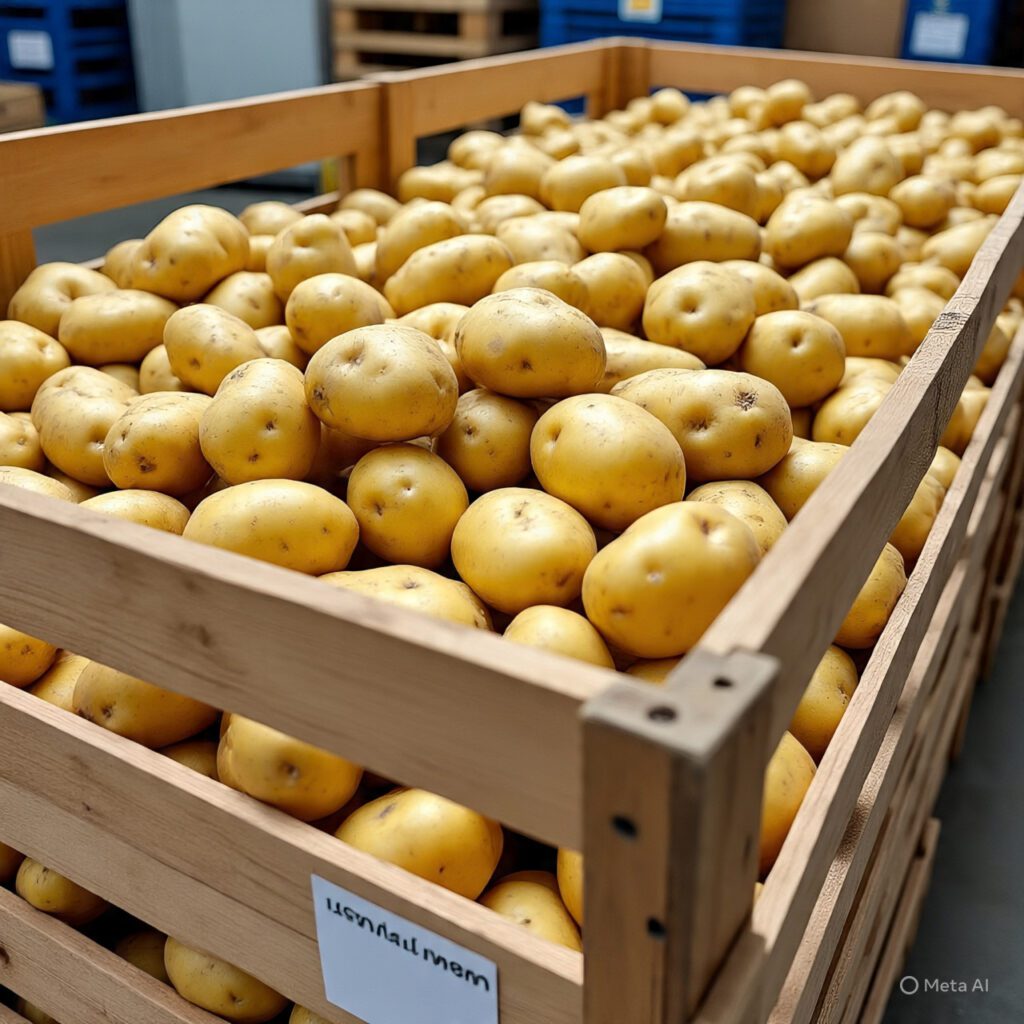
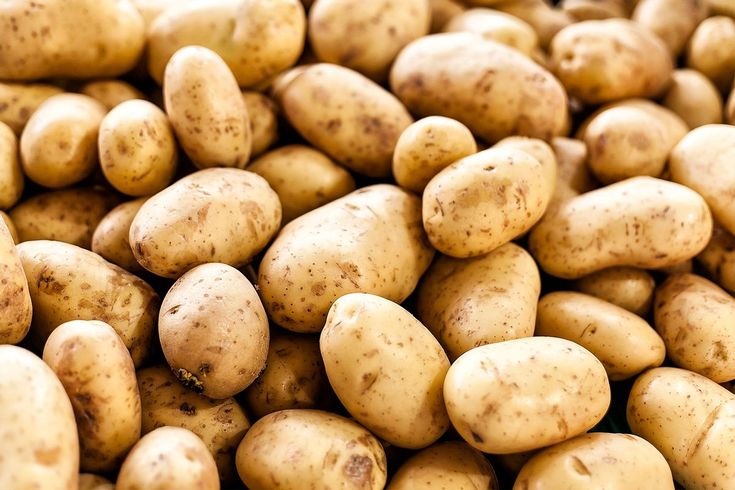
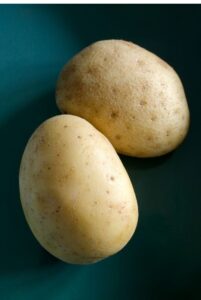
Irish potatoes, commonly known simply as potatoes, are one of the most widely consumed tuber crops in the world. They are versatile, highly nutritious, and form a major ingredient in countless cuisines. Irish potatoes come in various varieties, with skin colors ranging from brown to red and flesh colors from white to yellow. Their adaptability makes them one of the most traded agricultural commodities globally.
Why Irish Potatoes Export Matters
The export of Irish potatoes is vital because they are a global staple food. They are consumed fresh, processed into a variety of products, and used in industrial applications. Irish potato export contributes to:
-
Global Food Security: Supplying a nutritious and affordable source of carbohydrates.
-
Diverse Uses: Consumed fresh, processed into chips, fries, flakes, starch, or flour.
-
High Market Demand: Potatoes are one of the most sought-after tubers worldwide.
-
Industrial Applications: Potato starch is widely used in food manufacturing, paper, textiles, and adhesives.
-
Culinary Diversity: From mashed potatoes to fries, crisps, soups, and stews, they form part of both traditional and modern dishes.
Forms of Irish Potatoes Export
-
Fresh Potatoes
-
Harvested, cleaned, sorted, and packaged for direct consumption.
-
Sold in wholesale markets, supermarkets, and restaurants.
-
-
Potato Flour
-
Produced by drying and milling potatoes into powder.
-
Used in baking, thickening soups, and making instant meals.
-
-
Potato Starch
-
Extracted starch used in food processing and non-food industries.
-
Common in snacks, noodles, paper production, and adhesives.
-
-
Frozen or Processed Potatoes
-
Products such as frozen French fries, wedges, and flakes.
-
High demand in fast-food and hospitality industries.
-
-
Potato Chips (Crisps)
-
Thinly sliced, fried, and packaged as snacks.
-
Popular in retail and wholesale markets globally.
-
 Packaging and Handling
 Packaging and Handling
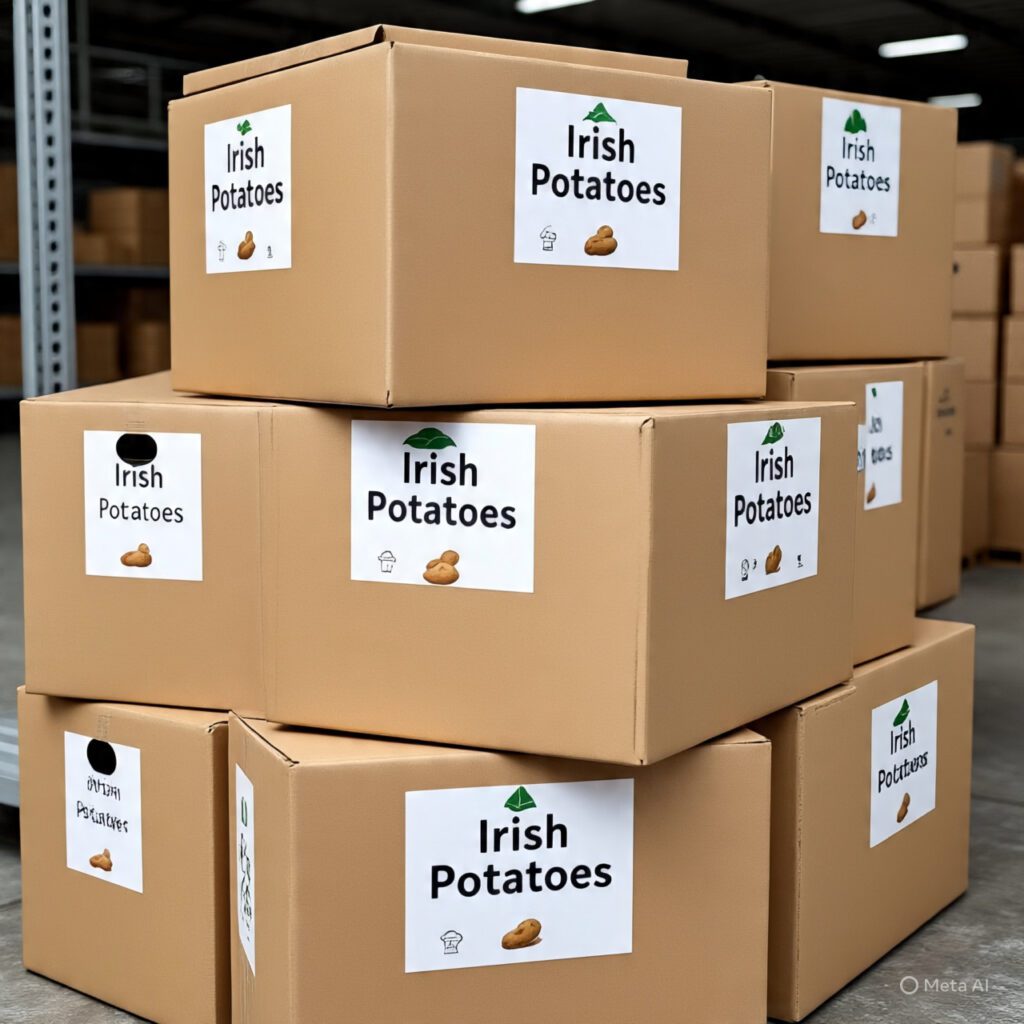
Irish potatoes require careful handling to maintain quality during export. Packaging options include:
-
Mesh or Jute Bags: For ventilation when shipping fresh potatoes.
-
Cartons or Polypropylene Bags: For processed potatoes like flour or chips.
-
Bulk Sacks or Containers: For starch and large industrial orders.
Key handling practices include:
-
Avoiding bruises during harvesting and packing.
-
Maintaining cool, dry, and ventilated storage conditions.
-
Sorting to ensure uniform sizes and defect-free potatoes.
Export Process
-
Sourcing & Selection
-
Obtaining high-quality potatoes from trusted farms.
-
Sorting and grading based on size and quality.
-
-
Cleaning & Packaging
-
Washing to remove soil.
-
Packaging according to international standards.
-
-
Compliance & Documentation
-
Meeting international phytosanitary and food safety requirements.
-
Preparing export documents such as Phytosanitary Certificates, Certificates of Origin, and Commercial Invoices.
-
-
Shipping & Logistics
-
Exported via sea freight (refrigerated containers when required) or air cargo.
-
Temperature-controlled logistics ensure freshness during long-distance shipping.
-
Global Demand for Irish Potatoes
Irish potatoes enjoy one of the highest global demands among tuber crops due to:
-
Staple Food Status: Consumed by billions worldwide.
-
Health Benefits: A natural source of vitamin C, potassium, and fiber.
-
Fast-Food Growth: Rising demand for French fries, chips, and other potato-based products.
-
Industrial Applications: Strong demand for potato starch in multiple sectors.
-
Ethnic Communities: Potatoes remain essential in diverse cuisines across the globe.
Challenges in Irish Potatoes Export
-
Perishability: Potatoes sprout or rot if not stored correctly.
-
Logistics: Need for controlled storage and temperature during shipping.
-
Competition: High global supply from major producers requires exporters to focus on quality.
-
Compliance: Strict international standards for pesticide residue and food safety.
Opportunities for Growth
-
Value-Addition: Expanding exports beyond fresh tubers to fries, flakes, starch, and flour.
-
Technology Use: Cold storage, controlled-atmosphere storage, and advanced packaging.
-
Retail Expansion: Supplying supermarkets, fast-food chains, and ethnic stores abroad.
-
Industrial Partnerships: Collaborating with food processing and manufacturing industries.
Conclusion
Irish potatoes are not only a dietary staple but also a commodity with immense export potential. From fresh tubers to flour, starch, and processed foods, they play a central role in both food and non-food industries. With proper sourcing, packaging, and logistics, exporters can tap into the continuously growing international demand and establish a strong presence in global markets.